How the Water Freedom System Works: Step-by-Step Breakdown

Discover the science behind atmospheric water generation and learn exactly how the Water Freedom System turns air into clean, drinkable water. This guide breaks down every component, process, and performance factor so you know exactly what you're building.

Start Building Today

Visit Official Website

Free Shipping to All 50 States

The Water Freedom System atmospheric water generator DIY kit components and blueprint guide

Core AWG Technology

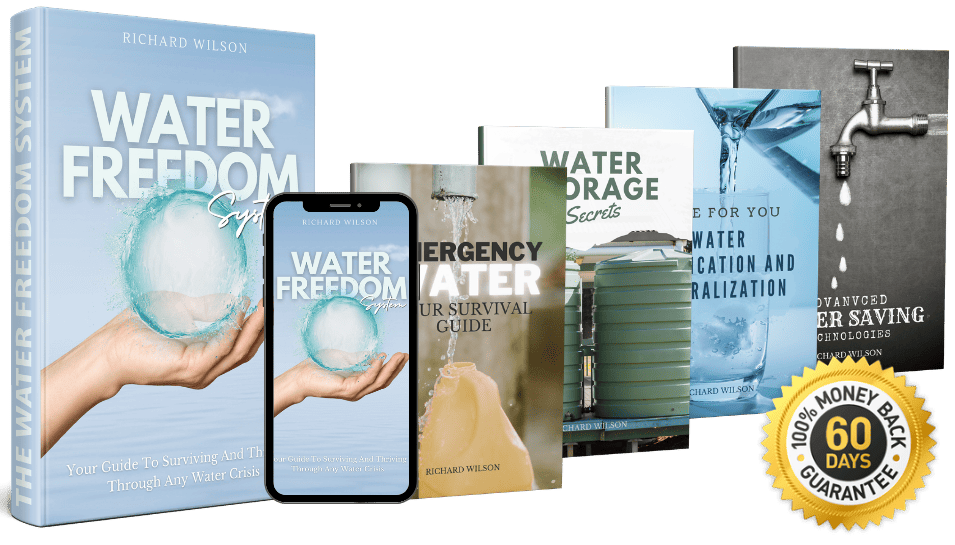
The Water Freedom System complete bundle package including guide and bonus materials

Understanding Humidity and Dew Point

Atmospheric water generation relies on a fundamental principle of physics: when air is cooled below its dew point, water vapor condenses into liquid. The dew point is the temperature at which air becomes saturated with moisture. The higher the humidity, the higher the dew point, and the easier it is to extract water.

Condensation vs. Desiccant Methods

The Water Freedom System uses a condensation-based approach, similar to how a dehumidifier or air conditioner works. This is different from desiccant-based systems, which use moisture-absorbing materials. Condensation systems are more efficient in moderate to high humidity environments and are easier to build using commonly available parts.

Components of the System

1

Air Intake & Fan

A fan draws ambient air into the system. A pre-filter removes dust, pollen, and debris before the air reaches the cooling coils.

2

Cooling Coils

Refrigerant-filled coils cool the incoming air below its dew point, causing water vapor to condense into liquid droplets.

3

Condensation Chamber

The chamber collects condensed water droplets and channels them toward the filtration system.

4

Multi-Stage Filtration

Water passes through sediment filters, carbon filters, and optionally UV or ceramic filters to ensure purity.

5

Collection Tank

A food-grade storage tank holds the filtered water, ready for use or further purification.

6

Power Supply

The system can run on standard household electricity or be configured for 12V DC/solar power for off-grid use.

Build Process

Sourcing Parts Locally

One of the biggest advantages of the Water Freedom System is that all components can be sourced from local hardware stores, HVAC supply shops, or online retailers. The guide provides a detailed parts list with specifications, so you know exactly what to look for.

Timeline and Tools Needed

Most users complete the build in 6-10 hours over a weekend. Basic tools required include a screwdriver set, pipe cutter, wrench, and possibly a drill. No specialized equipment or professional skills are needed.

Testing and Troubleshooting

After assembly, the guide walks you through testing the system for leaks, checking airflow, and verifying water output. A troubleshooting section covers common issues like low water production, unusual noises, or filter problems.
Performance Factors

How Humidity Affects Output

Water production is directly proportional to relative humidity. At 30% humidity, output may be as low as 0.2-1.0 gallons per day. At 50-65% humidity (temperate climates), expect 2.0-4.5 gallons per day. In subtropical or coastal areas with 70-90% humidity, output can reach 5.0-8.0+ gallons per day.

Temperature and Energy Consumption

Warmer air holds more moisture, so higher temperatures generally improve output — but also increase energy consumption as the compressor works harder. The guide includes tips for optimizing energy efficiency based on your climate.

Yields by Climate Zone

Climate Type Humidity Range Expected Daily Output
Arid/Desert Below 30% 0.2 - 1.0 gallons
Temperate 50% - 65% 2.0 - 4.5 gallons
Subtropical/Coastal 70% - 90% 5.0 - 8.0+ gallons
The Water Freedom System components diagram showing airflow and condensation process

Maintenance

Coil Cleaning and Filter Replacement

To maintain optimal performance, cooling coils should be cleaned every 3-6 months to remove dust and mineral buildup. Filters should be replaced on a similar schedule, depending on usage and local air/water quality.

Seasonal Adjustments

In colder months, you may need to adjust the system's operation or add insulation to prevent freezing. The guide includes seasonal maintenance checklists to keep your system running year-round.

Expected Lifespan

With proper maintenance, the core components (compressor, coils, fan) can last 5-10 years or more. Filters are consumable items that need regular replacement, similar to any home water filtration system.

Safety and Water Quality

Why Filtration Is Non-Negotiable

While condensed water is relatively pure, it can still contain airborne contaminants, bacteria, or minerals from the coils. The multi-stage filtration system included in the guide is essential for making the water safe to drink.

Testing Water Potability

The guide recommends testing your water periodically, especially when first setting up the system. Simple home test kits can check for bacteria, pH, and common contaminants.

Common Mistakes to Avoid

Skipping filtration, using undersized components, or ignoring maintenance are the most common mistakes new builders make. The guide's troubleshooting section helps you avoid these pitfalls.

Frequently Asked Questions

Can I power this system with solar panels?
Yes, the system can be configured to run on 12V DC power, making it compatible with solar panel setups and battery banks. This is ideal for off-grid cabins, RVs, or emergency backup situations.
How much electricity does it use?
Power consumption varies by compressor size and operating conditions, but typically ranges from 100-300 watts while running. Actual energy costs depend on your local electricity rates and how often the system runs.
Is the water safe to drink immediately?
After passing through the multi-stage filtration system described in the guide, the water is safe to drink. For long-term storage or in areas with known air quality concerns, additional purification (such as UV treatment) is recommended.
Does it work in desert climates?
Performance is significantly reduced in desert climates where humidity falls below 30%. The system will still produce some water, but output will be much lower than in humid environments. Check your local humidity levels before purchasing.